


In today’s competitive job market, academic qualifications alone are no longer enough to secure a dream job. Employers are increasingly looking for candidates who can demonstrate practical skills and real-world experience. Internships are one of the best ways for students to gain hands-on experience, build industry connections, and enhance their resumes. Let’s explore why internships are essential and how you can secure one as a student.
Why Are Internships Important?
Internships bridge the gap between academic learning and professional application. Here are some of the key benefits:

- Practical Application of Knowledge:
Internships allow you to apply what you’ve learned in the classroom to real-world scenarios. Whether it’s using your coding skills to develop software or applying marketing concepts in a campaign, internships make your learning tangible. - Building Professional Skills:
Beyond technical knowledge, internships help you develop soft skills like teamwork, communication, and problem-solving—qualities highly valued by employers. - Networking Opportunities:
Internships introduce you to industry professionals and mentors who can guide your career. These connections often lead to future job opportunities or valuable recommendations. - Resume Enhancement:
Employers prefer candidates with relevant work experience. An internship on your resume signals that you’ve taken the initiative to gain practical exposure, setting you apart from other candidates. - Career Exploration:
Internships allow you to test the waters in a specific field or industry. This helps you make informed career choices and determine if a particular career path aligns with your interests and goals.
How to Secure an Internship as a Student
Securing an internship requires proactive planning and effort. Here’s a step-by-step guide to help you land the right opportunity:
Step 1: Start Early
Begin your search for internships at least 3-6 months before your desired start date. Early planning gives you an edge in applying to competitive positions and allows you to explore a broader range of opportunities.
Step 2: Leverage Your Network
Talk to professors, career advisors, and family connections who might know of internship openings. Join professional groups on platforms like LinkedIn and engage with industry professionals to uncover hidden opportunities.
Step 3: Prepare a Strong Resume and Cover Letter
Your resume should highlight your academic achievements, extracurricular activities, and any relevant skills or projects. Tailor your cover letter to each internship, explaining why you’re interested in the role and how your skills align with the company’s goals.
Step 4: Utilize Online Platforms
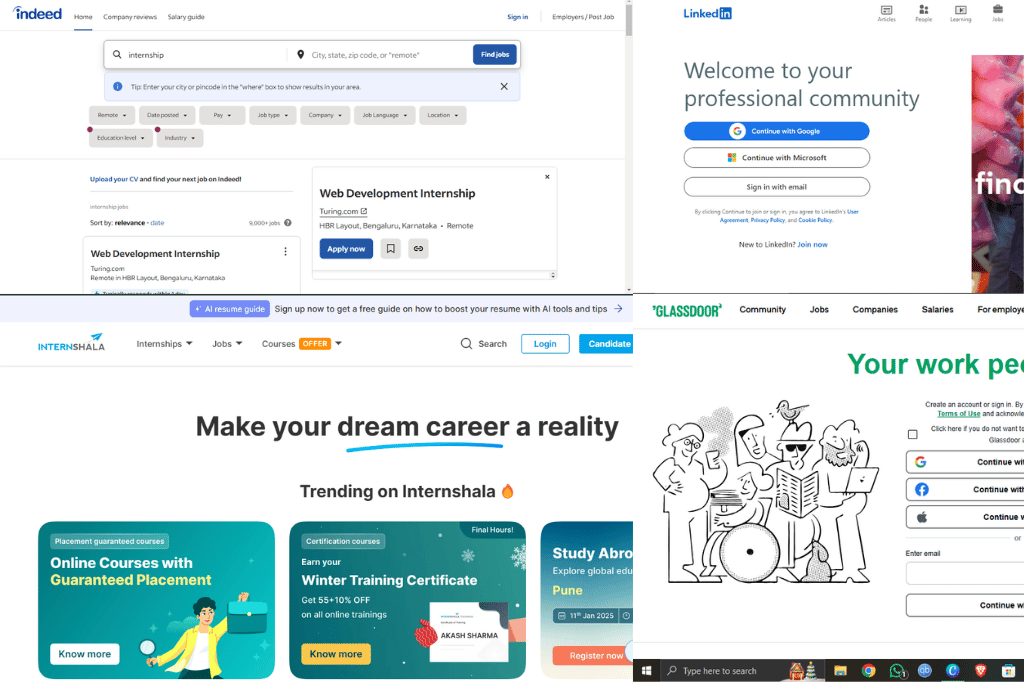
Websites like LinkedIn, Internshala, Glassdoor, and Indeed are excellent resources for finding internships. Set up alerts for positions in your desired field and location to stay updated on new postings.
Step 5: Build Your Portfolio
For creative or technical roles, a portfolio showcasing your work can significantly boost your chances. Include examples of projects, presentations, or designs that demonstrate your abilities.
Step 6: Attend Career Fairs and Events
Many universities and organizations host career fairs where companies offer internships. Attend these events to meet recruiters face-to-face and make a lasting impression.
Step 7: Be Open to Remote and Part-Time Roles
If location or time constraints are an issue, consider remote internships or part-time positions. These options provide flexibility while still offering valuable experience.
Making the Most of Your Internship

Once you’ve secured an internship, maximize the opportunity by:
- Being proactive: Take the initiative to learn and contribute beyond your assigned tasks.
- Seeking feedback: Regularly ask for constructive feedback to improve your performance.
- Documenting achievements: Keep track of projects and accomplishments to add to your resume and portfolio.
- Building relationships: Connect with colleagues and supervisors for mentorship and future references.
Related Reading:
- Top Courses to Pursue in 2025: Discover the most promising industries and roles to prepare for the future job market.
- How to Select the Right University: A step-by-step guide to choosing the right university based on your goals, preferences, and career aspirations.
FAQs

What are internships?
Internships are temporary work opportunities offered by companies and organizations to provide students or recent graduates with practical experience in their field of study.
Why are internships important for students?
Internships help students gain real-world experience, develop professional skills, and build industry connections, all of which enhance employability.
How can I get an internship with no prior experience?
Focus on building a strong resume that highlights academic achievements and transferable skills. Look for entry-level or volunteer roles to build experience, and leverage your network to find opportunities.
Conclusion
Internships are a vital stepping stone in a student’s journey toward professional success. They provide a unique blend of learning, skill development, and career exploration. By starting early, leveraging resources, and being proactive, you can secure an internship that not only enhances your resume but also prepares you for the challenges of the workplace.
Are you ready to take the next step in your career journey? Start exploring internships today and invest in your future!